


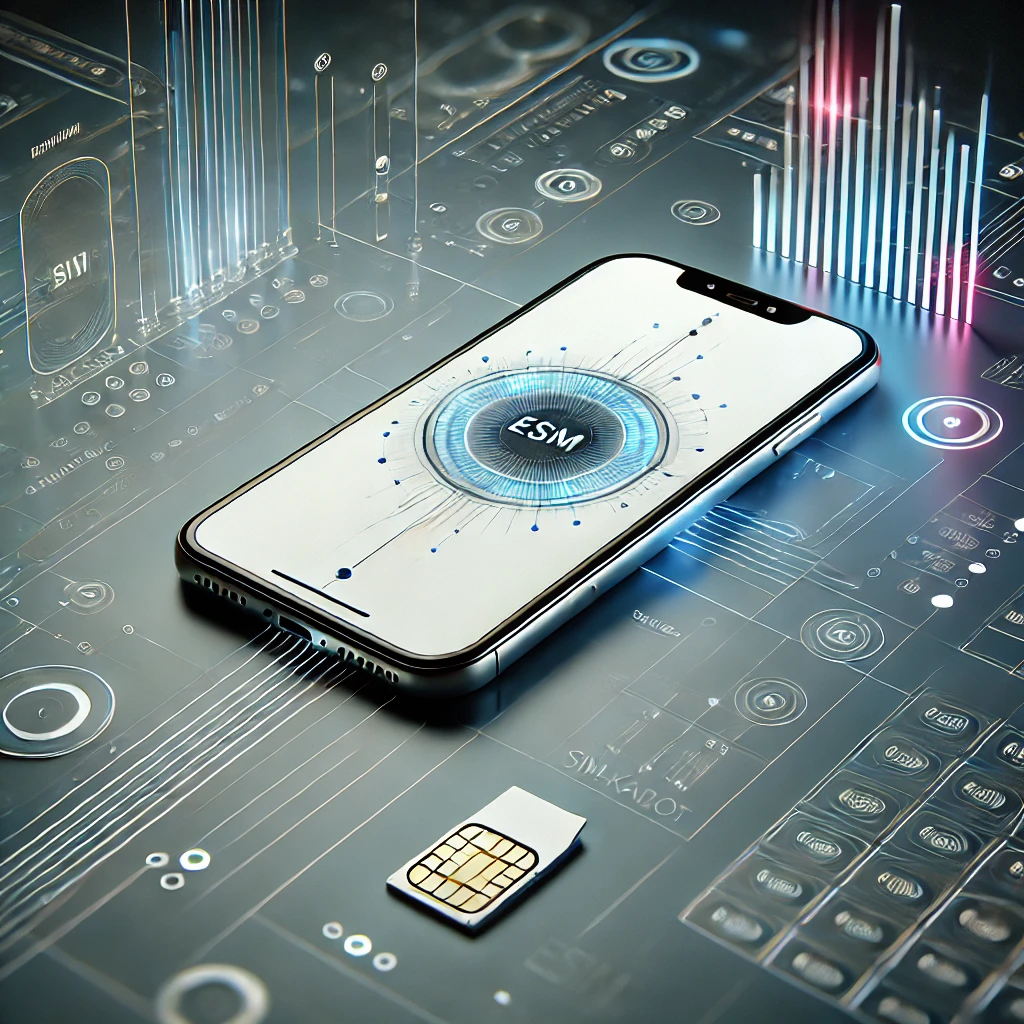
Apple setzt erneut Maßstäbe in der Smartphone-Technologie. Bereits mit dem iPhone 14 wurde in den USA der Schritt zur reinen eSIM vollzogen, wodurch der physische SIM-Karten-Slot komplett wegfiel. Nun deutet sich an, dass Apple diesen Ansatz global ausweiten möchte. Laut einem Bericht von The Information könnte mit der Einführung des iPhone 17-Lineups Ende 2025 in mehreren Regionen auf die herkömmliche SIM-Karte verzichtet werden.
Besonders das geplante Modell iPhone 17 „Air“, welches durch sein extrem schlankes Design besticht, wird wohl keinen SIM-Karten-Slot mehr haben. Der Verzicht auf die physische SIM ermöglicht Apple, Platz im Gehäuse für andere Technologien oder eine größere Batterie zu schaffen.
Noch keine klare Liste der Länder
Während die USA bereits seit 2022 vollständig auf eSIM setzen, bleibt unklar, welche Länder und Regionen ab 2025 folgen werden. In Ländern wie China, wo die physische SIM-Karte weiterhin stark verbreitet ist, könnte dieser Wechsel jedoch noch auf Hindernisse stoßen. Daher ist davon auszugehen, dass Apple in einigen Märkten weiterhin iPhones mit SIM-Slot anbieten wird.
Herausforderung für Nutzer und Anbieter
Die Umstellung auf eine reine eSIM-Lösung wird kontrovers diskutiert. Kritiker bemängeln, dass die Infrastruktur für eSIM in vielen Regionen noch nicht ausreichend ausgebaut ist. Insbesondere in Bezug auf den Wechsel zwischen Anbietern oder bei Reisen ins Ausland könnte dies für Nutzer problematisch werden.
Apple setzt jedoch darauf, dass sich die Technologie schnell weiterentwickelt und den Umstieg erleichtert. Sollte dieser Fortschritt gelingen, könnte der Wegfall der physischen SIM-Karte bei zukünftigen iPhones den Standard für die gesamte Branche setzen.
Fazit
Mit dem iPhone 17 könnte Apple ein neues Kapitel in der Smartphone-Entwicklung aufschlagen. Doch bevor die SIM-Karte endgültig verschwindet, bleibt abzuwarten, ob eSIM weltweit die nötige Akzeptanz und Unterstützung erhält. Apple ist jedenfalls bereit, diese Transformation voranzutreiben – es liegt nun an den Nutzern und Mobilfunkanbietern, nachzuziehen.

